
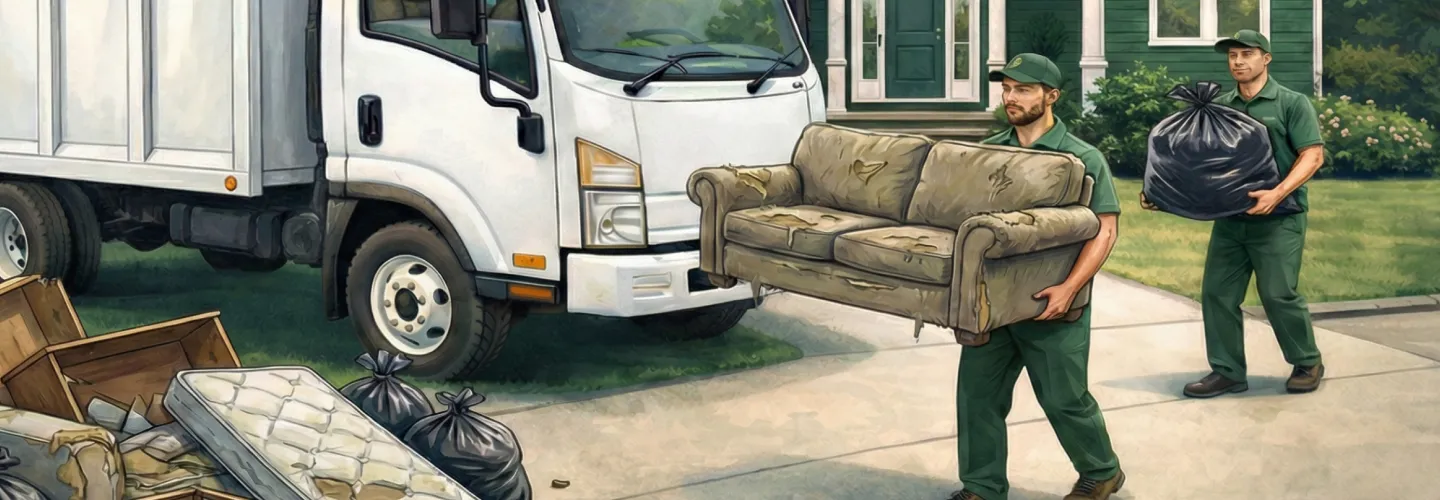
Hull Construction Waste Management Services
Choose us for your construction waste management needs and experience hassle-free, eco-friendly disposal that keeps your site safe, compliant, and environmentally responsible—so you can focus on building, not worrying about waste.
Get a Free QuoteOur Hull Junk Removal Services
Construction Waste Management in Hull, MA – Local Service Guide
Effective construction waste management in Hull, MA, is essential for maintaining clean neighborhoods and supporting sustainable growth. Homeowners often need to dispose of items like furniture, appliances, or hot tubs during seasonal cleanouts, renovations, or after storms—especially in areas like Allerton Hill and Sunset Point, where weather and access can impact logistics. Donating or recycling is encouraged for usable items, while larger or weather-damaged debris may require professional removal. For residential spaces such as garages, basements, and yards, spring and fall cleanouts are common, particularly in flood-prone zones near Nantasket Beach. Hull’s commercial sectors—including restaurants and retail along Nantasket Avenue—face unique waste volumes and timing needs, often requiring discreet, scheduled pickups to minimize business disruption. Specialty services, such as dumpster rentals or estate cleanouts, are vital for larger projects or sensitive situations, demanding careful planning and coordination with local guidelines.
Key Considerations for Construction Waste Management in Hull
- Timing projects around local weather and seasonal events
- Securing necessary permits for large-scale disposal
- Using approved disposal and recycling channels
- Navigating tight access in historic neighborhoods
- Estimating waste volume for proper service selection
- Coordinating with city resources—see Hull’s official website for local rules and updates
Benefits of Construction Waste Management in Hull
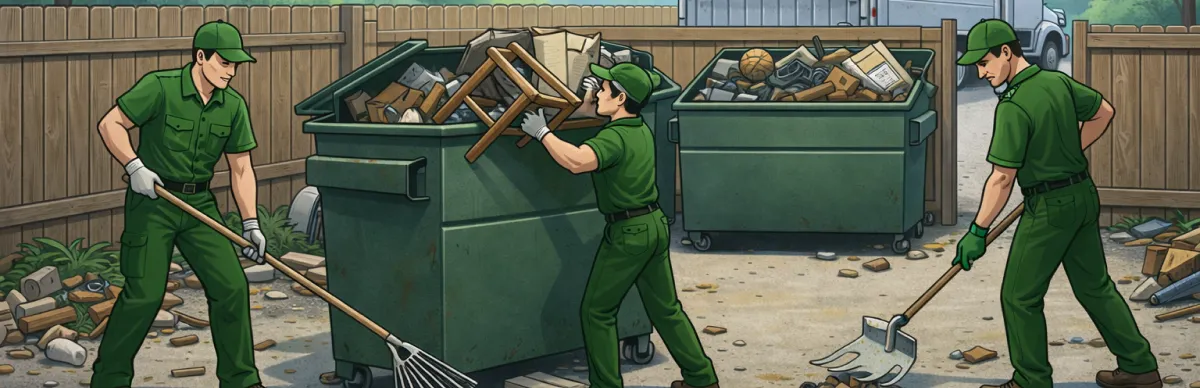
Efficient Site Clearance
Cost-Effective Waste Solutions
Compliance With Local Regulations
Environmentally Friendly Disposal
Improved Project Safety
Flexible Collection Schedules
Coordinating Construction Waste Disposal with Hull’s Department of Public Works
Construction waste management in Hull, MA requires close coordination with the Department of Public Works (DPW), which oversees solid waste programs, transfer station operations, and bulk material disposal. All construction and demolition debris generated within Hull must be disposed of at approved facilities, and residents or contractors must obtain a valid transfer station permit for access. The Hull Transfer Station, located at 9 Nantasket Avenue, operates Monday through Saturday from 7:00 AM to 5:00 PM. Fees are assessed by weight, with a minimum charge of $10 and a standard rate of $35 per ton. Accepted materials include clean wood, concrete, asphalt, and metals, while prohibited items such as hazardous waste and asbestos require special handling. To ensure compliance:
- Obtain a transfer station permit from the DPW office
- Separate recyclable materials from general debris
- Follow posted hours and material acceptance guidelines
- Pay all applicable disposal fees at the facility
- Schedule large drop-offs in advance for major projects
Department of Public Works
253 Atlantic Ave, Hull, MA 02045
Phone: (781) 925-0900
Official Website: Department of Public Works
Understanding Hull’s Construction Waste Recycling Mandates and Landfill Bans
Hull enforces strict recycling mandates for construction and demolition (C&D) waste, in accordance with Massachusetts state regulations. The Massachusetts Department of Environmental Protection (MassDEP) prohibits the disposal of certain materials in landfills, including asphalt, brick, concrete, metal, wood, and clean gypsum wallboard. All construction projects must separate these materials for recycling or recovery. Failure to comply can result in fines or rejection of loads at the transfer station. Key requirements include:
- Separate recyclable C&D materials from mixed waste
- Use designated recycling bins or areas at the transfer station
- Comply with landfill bans for e-waste, appliances, and hazardous materials
- Maintain documentation of recycling and disposal for inspection
- Consult MassDEP’s Waste Bans for a full list of prohibited items
For additional guidance, contact:
Massachusetts Department of Environmental Protection
Boston, MA
Phone: (617) 292-5500
Official Website: Massachusetts Department of Environmental Protection
Permitting and Legal Requirements for Construction Debris Removal in Hull
Before commencing any construction or demolition project in Hull, it is essential to secure the appropriate permits and comply with local code enforcement. The Building Department requires permits for renovations, demolitions, and any activity generating significant waste. Right-of-way permits may be necessary for staging removal vehicles or equipment on public streets. Additional requirements include:
- Submit building permit applications for all structural work
- Obtain right-of-way permits for truck access or temporary street use
- Adhere to noise ordinances and work hour restrictions (typically 7:00 AM – 7:00 PM)
- Coordinate with code enforcement for debris containment and site cleanliness
- Secure approvals for projects in historic districts or flood zones
Permit applications are available at Town Hall or online. Non-compliance may result in stop-work orders or fines.
Building Department
253 Atlantic Ave, Hull, MA 02045
Phone: (781) 925-1330
Official Website: Building Department
Safe Handling and Environmental Standards for Hazardous Construction Materials in Hull
Proper handling of hazardous materials is a critical component of construction waste management in Hull. Materials such as lead paint, asbestos, solvents, and treated wood are subject to federal and state regulations. The Hull Board of Health and MassDEP require that hazardous waste be identified, separated, and transported by licensed professionals. Key safety and compliance steps include:
- Conduct pre-renovation surveys for asbestos and lead in buildings constructed before 1980
- Use certified abatement contractors for removal of hazardous materials
- Never dispose of hazardous waste at the municipal transfer station
- Participate in Hull’s annual Household Hazardous Waste Collection Day for eligible items
- Follow EPA Lead-Safe Renovation Rule requirements for lead paint
For questions about hazardous waste disposal:
Board of Health
253 Atlantic Ave, Hull, MA 02045
Phone: (781) 925-2224
Official Website: Board of Health
What Neighborhoods Do We Serve Throughout Hull, MA?
- Nantasket Beach: This coastal neighborhood features a mix of older cottages and new construction. Narrow streets and limited parking require careful planning for debris removal and vehicle access.
- Hull Village: Historic homes and proximity to the harbor mean projects often require special permits and adherence to preservation guidelines. Lead paint and asbestos are common in older structures.
- Kenberma: Primarily residential with multi-family units, Kenberma’s denser layout can complicate truck access and staging. Coordination with neighbors and adherence to noise ordinances are important.
- Sunset Point: Waterfront properties here may face additional environmental regulations, especially regarding stormwater runoff and debris containment near sensitive areas.
- Atlantic Hill: Steep grades and hillside lots present logistical challenges for heavy equipment and debris transport. Advance site assessment is recommended.
- Gunrock: This area’s single-family homes often have driveways suitable for loading, but seasonal population changes can affect scheduling and access.
- Straits Pond: Proximity to wetlands and conservation land means strict compliance with environmental protection rules and possible additional permitting for waste handling.